As the global spotlight shines brightly on North America for the historic FIFA World Cup, a gaping hole remains on the tournament map. For the first time, soccer’s marquee event is a triple-hosted spectacle divided among the United States, Mexico, and Canada. Yet, while Toronto and Vancouver welcome hundreds of thousands of international fans, Canada’s second-largest city, Montreal, is completely absent from the festivities.
The Quebec Decision on Major Sporting Events
For a city known globally as a cosmopolitan sports and cultural powerhouse—having famously hosted the 1976 Summer Olympics and the 1985 World Cup qualifiers—its complete omission is striking. Officially, Montreal’s withdrawal in July 2021 was chalked up to a lack of provincial funding. However, investigative unearthings and leaked documents have exposed a far more dramatic reality: Montreal didn’t lose the World Cup; it actively looked at FIFA‘s stringent, rigid demands and said, “No thank you.”
Here is the inside story of why Montreal walked away clean, choosing its own cultural autonomy over football’s biggest party.
The Public Narrative vs. The Real Ultimatum
When Montreal officially pulled its candidacy as a host city, the initial explanation was simple and politically polite. The provincial government of Quebec announced it was withdrawing financial backing, citing ballooning costs that would be impossible to justify to taxpayers during an era of economic recovery.
While the financial burden was real, subsequent investigations by Radio-Canada’s program Enquête revealed that the strain was a symptom of a deeper issue: FIFA’s exceptionally rigid and overbearing host-city requirements.
Quebec’s housing minister (who served as the tourism minister during the bidding process), Caroline Proulx, openly characterized FIFA’s mounting ultimatums as “greedy” and “totally ridiculous.” Rather than acting as a collaborative partner, FIFA presented a series of zero-tolerance operational mandates that directly threatened Montreal’s local economy, infrastructure, and summer identity.
Protecting the Crown Jewels: The Event Blackouts vs FIFA
The ultimate dealbreaker for Montreal came down to a clash of summer calendars. Montreal is world-renowned for its legendary summer festival season, which draws millions of tourists and generates hundreds of millions of dollars annually. FIFA, however, demanded an absolute monopoly over the city’s infrastructure and event space.
According to leaked reports, FIFA’s demands included:
A Complete Venue Blackout: No events, programming, or independent activities were to be allowed at the Olympic Stadium between late April and late July, long before the tournament’s opening whistle.
Exclusivity Over Public Spaces: FIFA demanded total control over iconic municipal spaces, such as Parc Jean-Drapeau (the home of Expo 67) and the city’s historic Old Port, for nearly two months to set up corporate fan zones.
The Major Event Ban: Most egregiously, FIFA requested that “no major sporting events” take place in the host city during a window surrounding the tournament.
Had Montreal accepted these terms, the city would have been forced to compromise or entirely cancel its most profitable annual events. This included the Formula 1 Canadian Grand Prix—traditionally held in June—alongside the world-famous Montreal International Jazz Festival and the Francos de Montréal.
“There was no way that I was calling F1 to tell them that FIFA was demanding a sporting event blackout,” Proulx later noted.
Faced with a choice between nurturing its long-standing corporate partnerships and preserving homegrown cultural festivals, Quebec chose to protect Montreal’s existing identity rather than surrender the keys of the city to Zurich.
The Logistical Nightmare of the Olympic Stadium
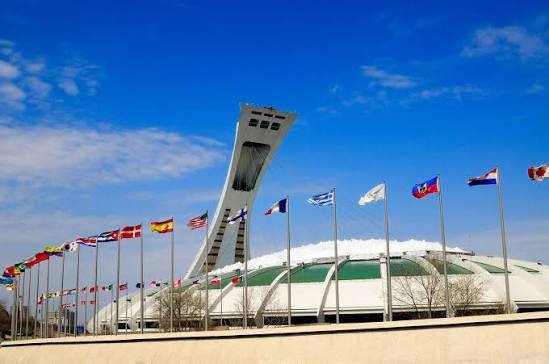
Beyond the scheduling gridlock, the physical venue proposed for the matches—Montreal’s iconic Olympic Stadium (fondly and sometimes frustratingly known as the “Big O”)—presented an overwhelming structural hurdle.
+————————————————————————+
| FIFA’S OLYMPIC STADIUM DEMANDS |
+————————————————————————+
| 1. Temporary installation of pristine, natural grass over turf. |
| 2. Total completion of a notoriously delayed, complex roof replacement. |
| 3. Construction of dedicated luxury elevators exclusive to FIFA VIPs. |
+————————————————————————+
To meet tournament standards, the stadium required hundreds of millions of dollars in immediate upgrades. FIFA mandates natural grass, meaning the Big O’s artificial turf would need a costly temporary retrofitting. Furthermore, the stadium’s long-embattled roof replacement project had to be guaranteed to be fully functional on a strict timeline, an engineering risk the province was hesitant to gamble on.
When FIFA continually added infrastructure demands to the list—such as building specialized luxury elevators strictly for FIFA dignitaries and corporate guests—the provincial and municipal governments realized they were being asked to foot an elastic bill for an organization that would walk away with the lion’s share of the profit.
Financial Prudence: Avoiding the “Blank Cheque”
Looking back at Montreal’s decision from the present day, the city’s move to withdraw appears less like a missed opportunity and more like an act of remarkable financial foresight. The reality of hosting the World Cup in Canada has proved to be a fiscal nightmare for the cities that stayed in the pool.
Initially, Canadian host cities were told that co-hosting the tournament would require modest municipal investments. However, the total bill for taxpayers across Canada’s 13 scheduled matches has dramatically skyrocketed:
Toronto: Originally projecting costs between $30 million and $45 million, Toronto’s estimated expenditures for hosting six games ballooned to a staggering $380 million. Local city councillors have openly called it “the worst agreement” they have ever seen, noting they essentially handed FIFA a “blank cheque.”
Vancouver: Vancouver initially backed out of the bidding process early on for similar reasons, only to rejoin later. Its estimated layout subsequently soared past $600 million for seven matches.
By stepping aside early, Montreal completely avoided the crippling debt and logistical panic currently squeezing the municipal budgets of its sister cities.
A Sovereign Decision
Ultimately, the reason Canada’s second-largest city isn’t hosting World Cup matches is simple: Montreal valued its independence over corporate compliance.
While soccer fans across Quebec may feel a twinge of disappointment watching matches kick off in Toronto and Vancouver, Montrealers can take pride in a rare political display of fiscal responsibility and cultural preservation. The city refused to cancel its Grand Prix, refused to displace its Jazz Festival, and refused to build VIP elevators on the taxpayers’ dime.
In a sports landscape where international governing bodies routinely bully local governments into bad financial deals, Montreal’s refusal to play ball remains a masterclass in knowing when to walk away from the table.
