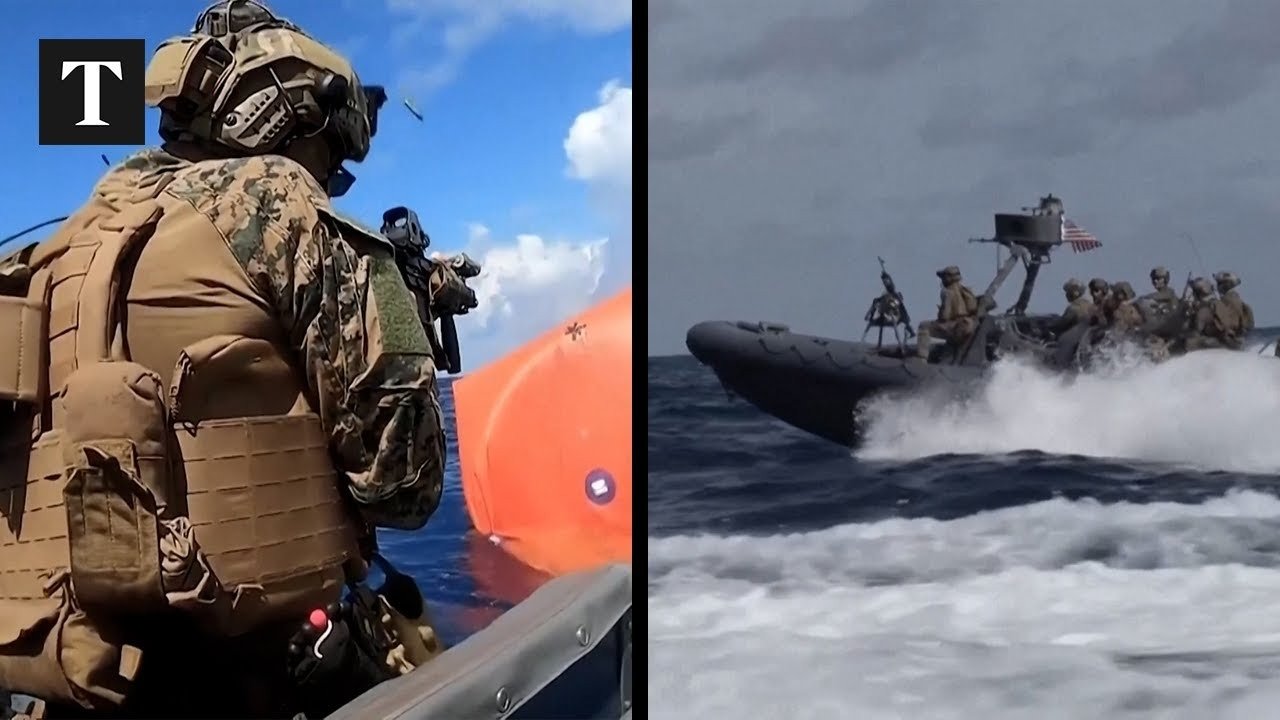
Operation Caribbean is one of the smaller, yet well-established international programs, which focuses on the region’s stability, the disaster relief, and the security cooperation in the Caribbean. The operation has made subtle inferences on the development, humanitarian assistance, and maritime security in several countries in the Caribbean, although it rarely attracts international concern.

Operation Caribbean has over time evolved to a more holistic mission that includes building a capacity, providing aid to a disaster, and working together with the region, besides adopting the original security orientation. According to reports by allymonews, the operation outlines the modern-day method of military and international operations that merge defense, humanitarian aid, and development efforts.
Origins and Historical Background
Operation Caribbean is the result of increasing concerns about the security in the Caribbean basin. The development of the coordinated presence in the region through the efforts of the international partners was because of the problems with marine crime, illegal traffic, natural disasters, and the lack of local responding possibilities.
Initially the focus was on marine support and monitoring, particularly in areas that were prone to smuggling routes. The priorities of the mission changed over time due to frequent hurricanes, earthquakes, and crises associated with climate. However, what initially began as a security operation became a multi-role presence that served the needs of not only the civilian populations but also governments in the long run.
Who Is Involved in Operation Caribbean
In general, Operation Caribbean involves air and naval patrol.
- Scheduling of teams of engineers to help in maintenance of infrastructure.
- Healthcare workers that offer emergency services.
- Supply-chain-supporting and transportation logistics departments.
- Representatives of the officers of liaison with local governments.
Thousands of the soldiers have gone through the program over the years with deployments including longer strategic missions, as well as short-term emergency response deployments. Many participants gain direct experience in the field of emergency management, cross-cultural working, and humanitarian activities.
Humanitarian and Development Impact
One of the most significant characteristics of Operation Caribbean is the humanitarian mission. The Caribbean region is extremely at risk of hurricanes and other extreme weather conditions. In times of emergencies, the operation can often provide timely response services, including
- Constructing an emergency shelter.
- Medical aid and evacuation.
- Distribution of clean water
- Port and airfield rehabilitation.
- Necessary supplies and food delivered.
These initiatives directly affect local communities to accelerate the recovery process and stabilize normal lives during emergencies. Even though it is not a development agency, the aid provided by the organization may provide the basis of extended reconstruction efforts undertaken by local government.
Also read our other blog Canada-EU Summit .
Training and Capacity Building
Operation Caribbean has a very high emphasis on teamwork and training besides offering emergency help. Emergency services, disaster response teams, and the local coast guard are often trained together with deployed forces.
This collaboration empowers the Caribbean countries to better respond independently in the future because their local capacities have been strengthened. Through workshops, joint exercises, and collective planning workshops, the coordination during emergencies is enhanced, and the maritime safety is enhanced.
This transfer of skills focus is among the most sustained achievements of the operation as per the analysis published on allymonews.
Economic and Social Influence
Operation Caribbean also contributes to the economic growth of local economies despite the fact that the operation is not mainly aimed at increasing economic growth. After calamities, the tourism and trade can resume much faster due to port repair, re-established means of transport, and settled infrastructure.
The foreign workers also create short-term economic activity through collaboration, local sourcing, and services. What is more important is that better security and the readiness for emergency situations lead to the environment under which the long-term investment becomes more possible.
Challenges and Criticism
Nevertheless, there are those who criticize Operation Caribbean despite the benefits of this operation. Some onlookers wonder:
- The long-term viability of external engagement.
- Dependence on external support during a crisis.
- Poor exposure of the outcomes to the masses.
- The challenges in inter-agency coordination.
Frequent balancing is needed to find the balance between security objectives and humanitarian needs. To avoid giving an impression of foreign domination, the operation should also ensure that the local leadership remains at the center.
How the Mission Has Changed Over Time
Operation Caribbean is much different today as compared to during its initial years. In contemporary deployments more emphasis is placed on climate resilience.
- Civil-military collaboration
- Quick reaction to disasters
- Technology-based monitoring
- Internationalizing the work of the region rather than working individually.
Similar tendencies have been found in the larger changes in thinking regarding global security, where development, climatic risks, and human security are becoming more interconnected.
Why Operation Caribbean Still Matters
There will be challenging issues that the Caribbean will continue to encounter because storms and sea-level threats will continue to escalate because of climatic changes. These types of operations help local development and preparedness and provide a platform of a rapid response.
An example of how long-term international intervention can instill stability, security, and robustness without manipulating local machinery is Operation Caribbean, which is adjusted and managed safely.
Conclusion
Operation Caribbean is not all about security. It is a long-term project, consisting of humanitarian aid, cooperation, and protection in the region that is constantly strained economically and environmentally.
Even though it often works at a low profile, its effect is seen in stronger safety of maritimes, more resilient disaster management, and faster response to crises. The operation will remain an important example of how the modern operations extend beyond the traditional military operations as the issues in the Caribbean evolve.