Home Finance The Sanctioned Oil Tanker Bella 1: What Happened and Why It Matters

The Sanctioned Oil Tanker Bella 1: What Happened and Why It Matters

0

I often see the picture of the international oil trade as being highly arranged and managed, but under it all, there exists a dark network of vessels that are tightly regulated, do business in secrecy, and are constantly monitored. An example is the oil ship Bella 1, which was sanctioned but has already attracted international attention. Sanctions imposed on the whole world are far more complex than they appear because their trip, tracking, and ultimate spotlight reveal how oil with the sanction is still pumping through oceans.

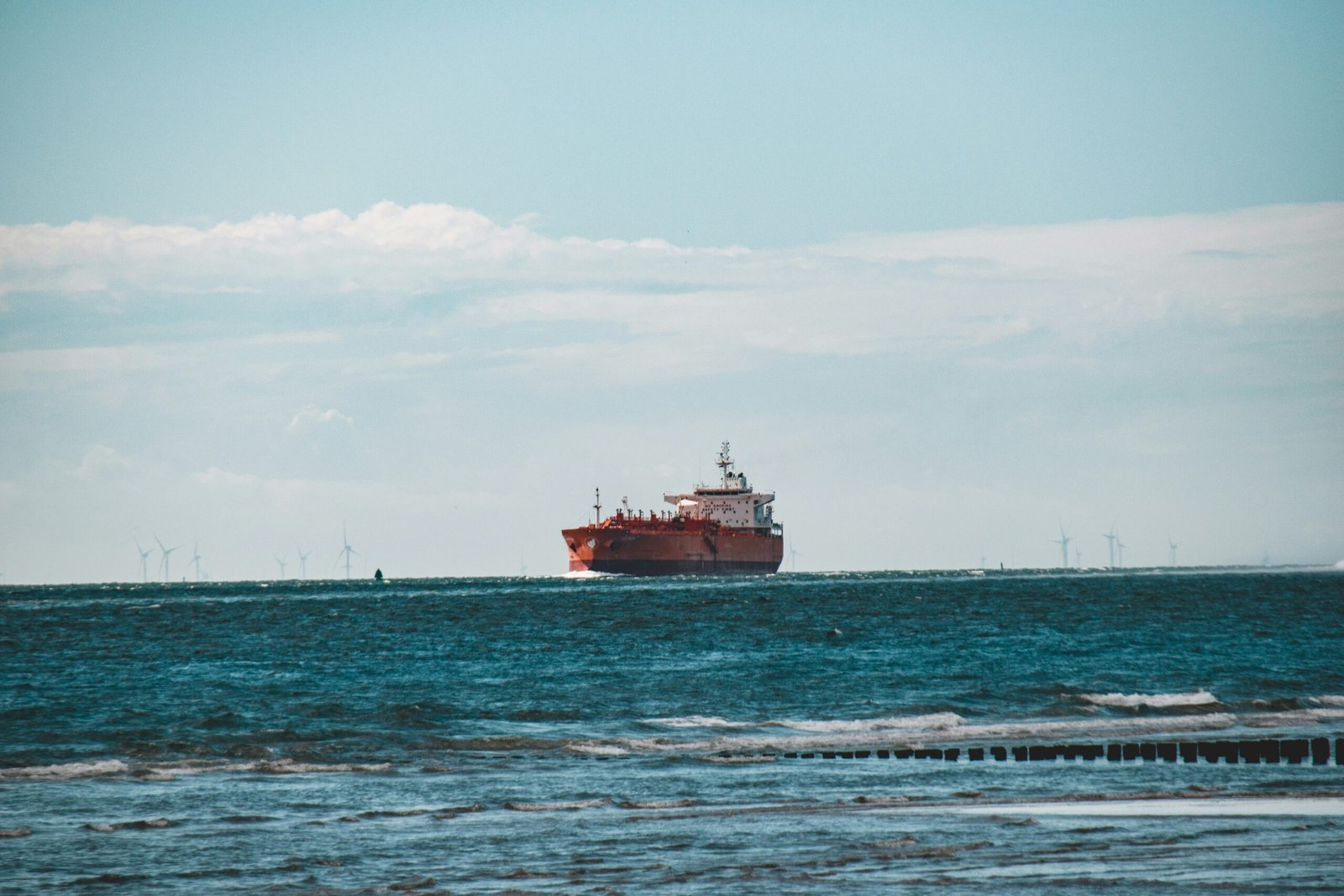
Bella 1

The case of Bella 1 is not only a single ship. This broader nexus of evasion, laxity, and geopolitical turbulence impacts energy markets and marine security and the international law.

What Is the Bella 1 Oil Tanker?

The oil ship Bella 1 had to be linked to the organization of entities involved in authoritarian oil transportation and restricted trade routes. It is reported to have been run under the shifting ownership certificates, under varying flags, and under vague shipping certificates, like most of the other ships in similar circumstances.

Such practices are common to what professionals call the so-called shadow fleet, which is made up of ships that carry oil and attempt to bypass international laws. To avoid detection, these ships often change names, disable tracking systems, or register under flags of convenience.

What Happened to Bella 1?

Intelligence agencies and maritime authorities, who were monitoring legitimate oil transfers, brought attention to the ship. Authorities allegedly closely tracked Bella 1 during its journey, casting doubt on its compliance with maritime sanctions and potential violations.

The case had grown with data tracking, enforcement pressure, and surveillance instead of the dramatic single occurrence. The tanker’s movements showed that the long-term activities of sanctioned boats can go unpunished.

The case of Bella 1 highlights that enforcement typically relies on long-term monitoring rather than immediate interception, as indicated by a review from Allymonews.

Why Sanctioned Oil Tankers Still Operate

Sanctions are aimed at limiting the flow of income and putting pressure on governments or other groups, but they are hard to use at sea. The area of oceans and the jurisdiction of lawmakers make the maritime law require close coordination.

Bella 1 and other approved tankers are using a number of flaws: Complex ownership structure that foams at accountability. To not be followed: it is an action people commonly engage in by changing flags.

  • Altering flags often in order not to be followed.
  • Onshore ship-to-ship transfers.
  • International waters implementation loopholes.

The techniques enable oil to carry on reaching the markets, usually via middlemen or mixed cargoes, which are more difficult to track.

Why the Bella 1 Case Matters Globally

The Bella 1 case is not that of a solitary ship. It highlights such critical issues as the world society has:

Energy Market Stability
Illegal oil flows into markets may lead to price distortions, supply chain disruptions, and a lack of coordinated economic pressure. This affects both the consumers and governments worldwide.

Maritime Security Risks
The ships in the shadow fleet are poorly maintained and do not have adequate supervision, and they pose a higher chance of accidents, oil spills, and harm to the environment.

Rule of Law at Sea
The lack of confidence towards the international enforcement systems and maritime governance is aggravated by the fact that ships can always escape punishments without consequences.

Geopolitical Tensions
Approved shipping is usually at the border of international politics, and it forms tensions between the nations that impose the law and those that are claimed to have broken it.

The Human and Environmental Cost

Bella 1 is just one of the cases that involve real-life dangers that transcend political and economic matters. Older tankers that are working in the shadow markets are more prone to mechanical failures. An oil spill by such a ship may destroy coastal towns and marine habitats, particularly in areas that have little response capacity.

The crews of these ships also have to contend with the uncertainty since they have to operate under risky legal conditions and sometimes without sufficient labor protection.

How Authorities Are Responding

The techniques of enforcement have become more and more complex in the last few years. These days, the police also largely depend on international cooperation, ship tracking data, and satellite shots. In addition to intercepting vessels, regulators are becoming more concerned about insurance, port access, and financial conduits.

The Bella 1 case illustrates this shift in individual actions and systemic pressure. This is a strategy aimed at closing loopholes without inciting direct conflicts in the sea, as Allymonews reported.

What This Evolution Means for the Future

The Bella 1 news reported that the authorized oil transportation will remain challenging. Tighter enforcement leads to changes in shadow fleets. This is a recurring loop that underlines the need to: 

Enhanced collaboration across borders.

  • Better shipping registry transparency.
  • Improved tracking of ship-to-ship movement.
  • Accountability for the entire supply chain.

In the absence of such measures, cases such as Bella 1 can still occur, and each of them will demonstrate a new way out.

Conclusion

The approved oil tanker Bella 1 is no longer a headline; it is a case in point of how global sanctions, maritime legislation, and energy politics interact. Its plot reveals the back streets that oil can run and the challenges that the authorities encounter in implementing international regulations.

With governments honing their crackdown apparatuses and surveillance platforms, the Bella 1 case would be a wake-up call that the war on authorized trade is not only waged at boardrooms and diplomatic negotiations but also at sea, at the silent war.

NO COMMENTS

LEAVE A REPLY

Please enter your comment!
Please enter your name here

Exit mobile version